


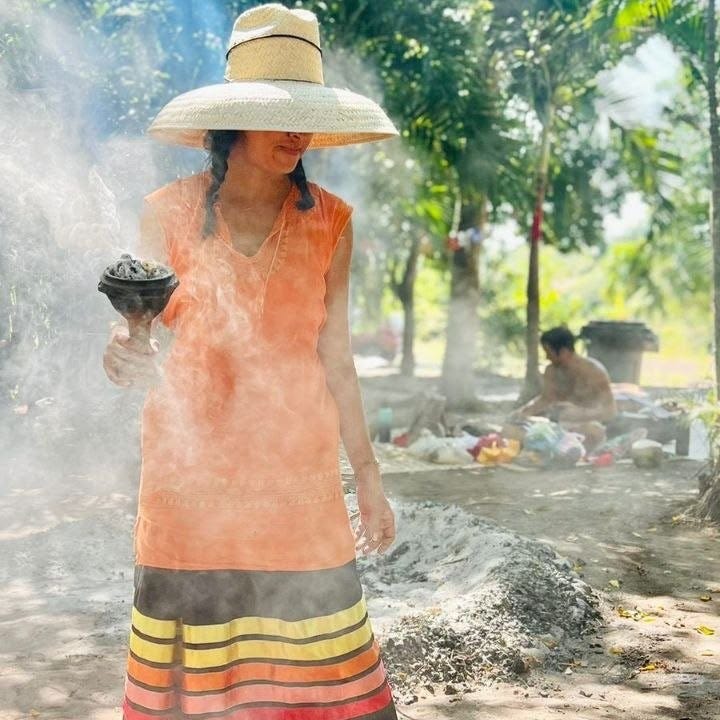
The dream came three times over six years. One of the founders of the Embodied Mastery Fund kept dreaming about a Chinese kung fu lineage he had trained in for years, about the person carrying it, and about what happens when that person dies. “We aren't people who take instruction from dreams,” Guillermo Machado writes. “But the third time, we stopped pretending it was nothing.”
The fund that grew out of those dreams exists to do one thing: keep the last living carrier of an art from having to choose between passing it on and staying afloat. Sometimes the master is old and the art is, in Machado's phrase, one funeral away from being lost. Sometimes the master is teaching well and teaching often, and simply throttled, reaching a fraction of the students they could reach if their time were not spent keeping the lights on. Either way, the fund's aim is exact: “What we're funding is not the school around the master. It's the master.”
What a Book Cannot Transfer
By embodied mastery, Machado means something narrower than the phrase suggests. He means “the kind of knowing a book can't transfer, no matter how well written: someone who has spent decades inside a single practice, corrected by hand, until the craft has stopped being something they do and become something they are.”
What such a person passes to a student is not a curriculum. It is “an entrance into a world with no end to it, a world where you find out who you are by working on the same thing for the rest of your life.”


Inside a candle-making master class from the fund's community: wax poured by hand, then checked degree by degree. Naphisa, one of the fund's first projects, crafts memory through scent, one poured candle at a time.
That is what dies when the last carrier dies. That is what this fund exists to prevent.
The Right Place to Be Frustrating
The fund says no to most applicants, and it is unapologetic about where the line sits. Not schools. Not centres. Not festivals. Not institutions. “Those are important and the world needs more of them,” Machado writes. But this fund routes around anything with walls, because a grant to a building arrives a step removed from the person the building exists to hold.
Every euro that goes to a building is a euro that didn't reach a human being in the last decade of teaching.
He knows the strictness costs the fund goodwill: “This is where we say no to most applicants and where most applicants find us frustrating. We think that's the right place to be frustrating.”
What the fund is for fits in a single sentence: “one person, named, carrying one nameable lineage, still actively working to put it into another pair of hands.” Identify that person, lift them out of the survival grind, and the job is done.
Why Now, of All Moments
Machado is candid that the fund is not being built in a normal moment. Machines are learning to imitate craft at speed and scale, and the temptation, for anyone, is to assume that if the outputs can be generated, the underlying knowing is now optional. “It isn't,” he writes. The distinction between a generated result and a lived practice is real, “and it gets harder to see the more capable the machines become.”
A machine can produce something that looks like a master's work. It cannot live the forty years that made the work possible.
“The more they can do,” Machado writes, “the more it matters that some human beings are still doing what the machines are copying.” The fund's whole purpose sits inside that sentence: it is trying to keep those human beings possible.
The Lineages Already Arriving
The fund's first projects trace the shape of what it hopes to grow. A digital ecosystem that puts local teachers at the heart of yoga instead of replacing them. Handmade jewelry from Pilar Moreno Hernandez that holds up to sixteen meters of weave in a single piece. An ancestral healing sanctuary preserving traditional medicine and birth wisdom. Memory crafted through scent, one poured candle at a time. Different continents, different materials, one common thread: a practice alive in a particular pair of hands.
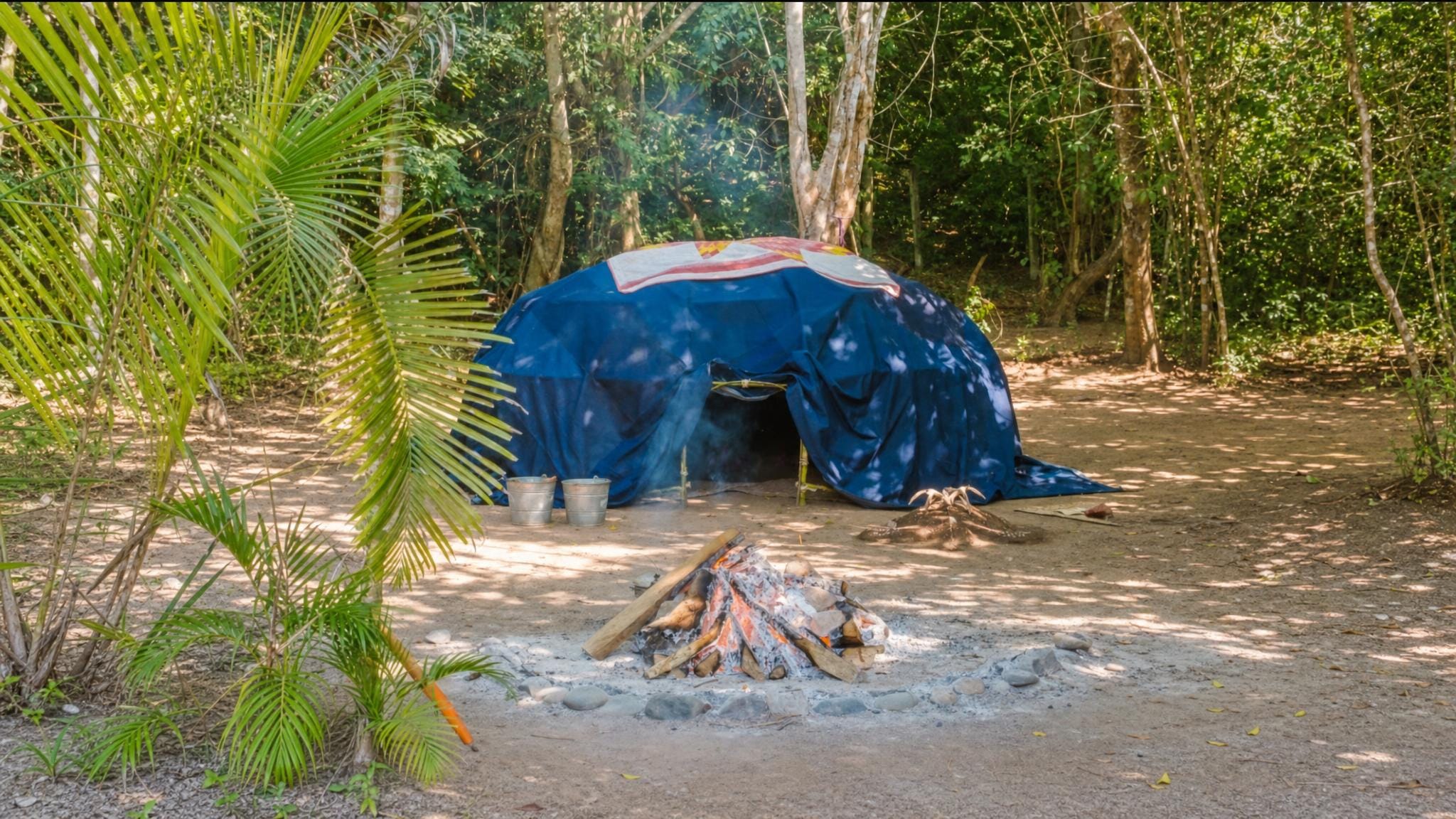
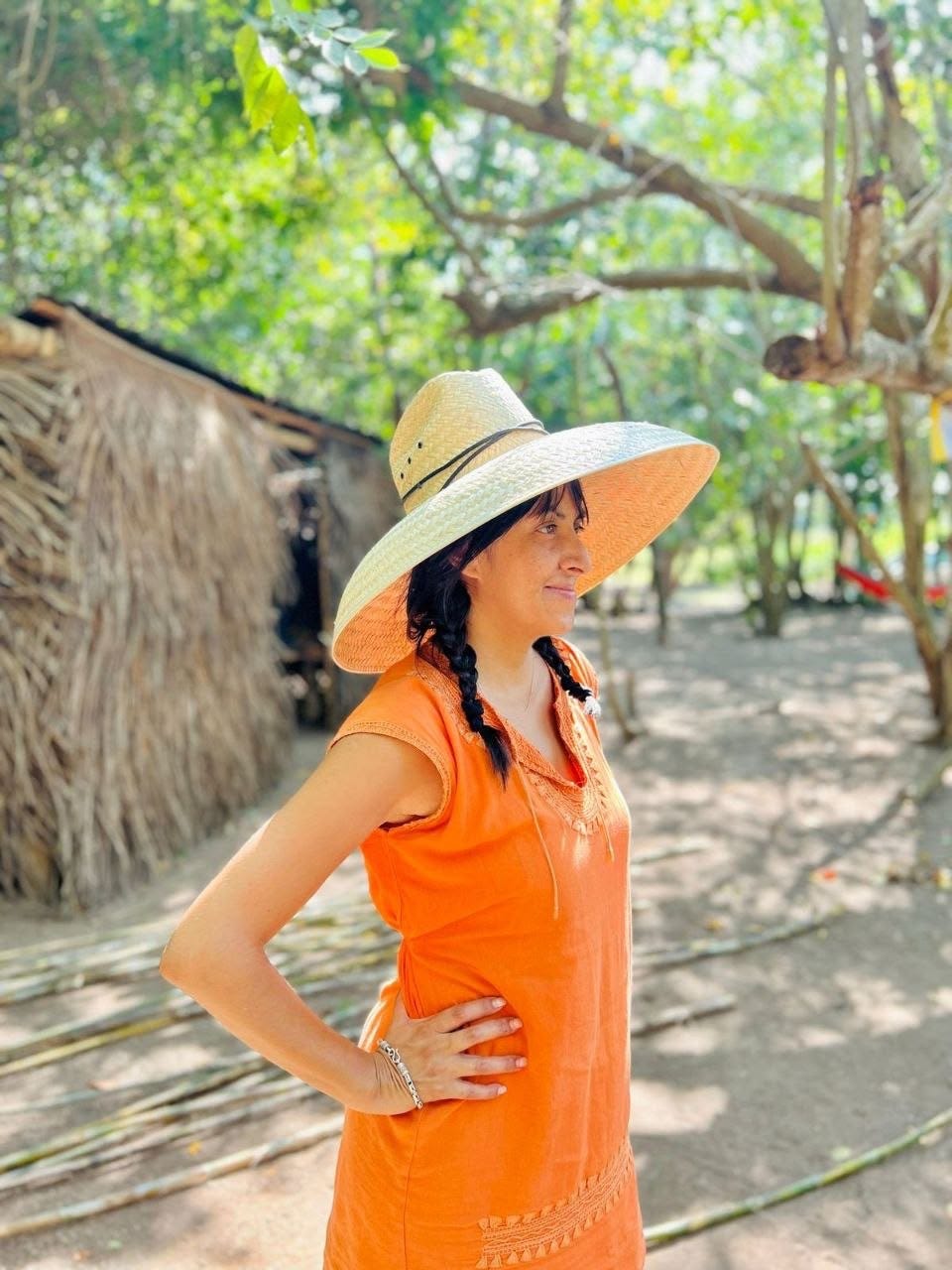
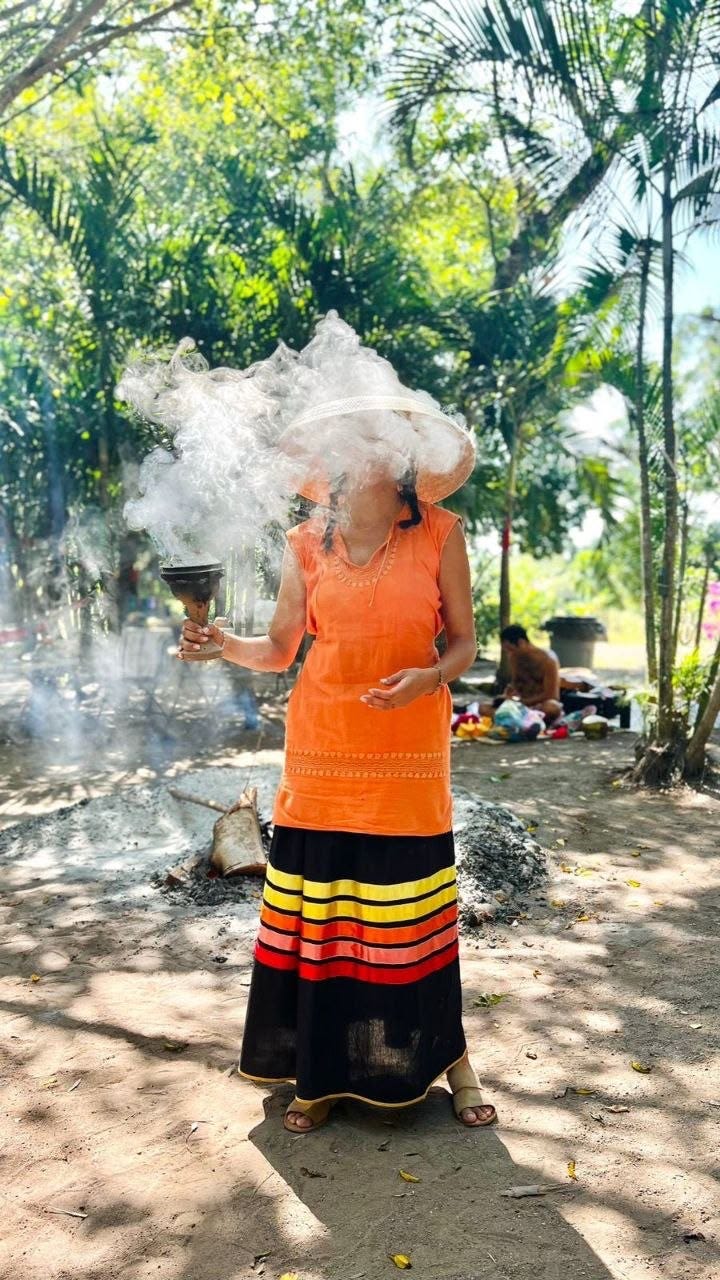
The photographs Machado sent with his essay put faces, hands, and places to the word lineage: the people below are part of the community his fund now serves.
Behind them stands a $52,252 matching pool. On Artizen, every artifact a supporter buys from a project in the fund is multiplied by that pool, so a small purchase from a fan becomes a larger stake in a lineage's survival. The mechanics take a sentence; the consequences take decades.
The Someone
If this works, Machado writes, then in ten years several lineages that would have ended will still be here. Several masters who spent their fifties scraping by will spend their sixties and seventies teaching properly. And it will be obvious to anyone paying attention that this kind of knowing is “not a museum piece, not a nostalgia project, but a living inheritance a young person can still walk into.”
The essay Machado sent us ends with a single sentence that could serve as the fund's entire charter: “A tradition is carried by someone, and this fund exists to support that someone.”
A fund like this grows from two directions at once. Patrons water it: sponsors who deepen the matching pool, and supporters whose purchases it multiplies. Practitioners fill it: if you are that someone, a lifelong practitioner still working to put your art into another pair of hands, submit your project on the fund page. And if you are neither but know the person who is, the teacher whose knowing lives nowhere else, send them this essay and tell them to submit. The hands that hold these traditions are still warm. That is the whole opportunity, and the whole deadline.
The Embodied Mastery Fund for Living Lineages is live on Artizen, curated by Guillermo Machado. Creators can submit projects directly on the fund page; sponsors can grow the matching pool there too. Words in quotation marks are Guillermo's own, from the essay he wrote for this piece. Photographs courtesy of Guillermo Machado.