


There is a species of tree in southern Brazil that spends most of the year quietly gathering strength, then erupts, all at once, into a canopy of gold. People plan trips around the bloom. Photographers wait for it. But the bloom is not the tree’s life. It is only the part you can see from a distance. The ipê grows all year.
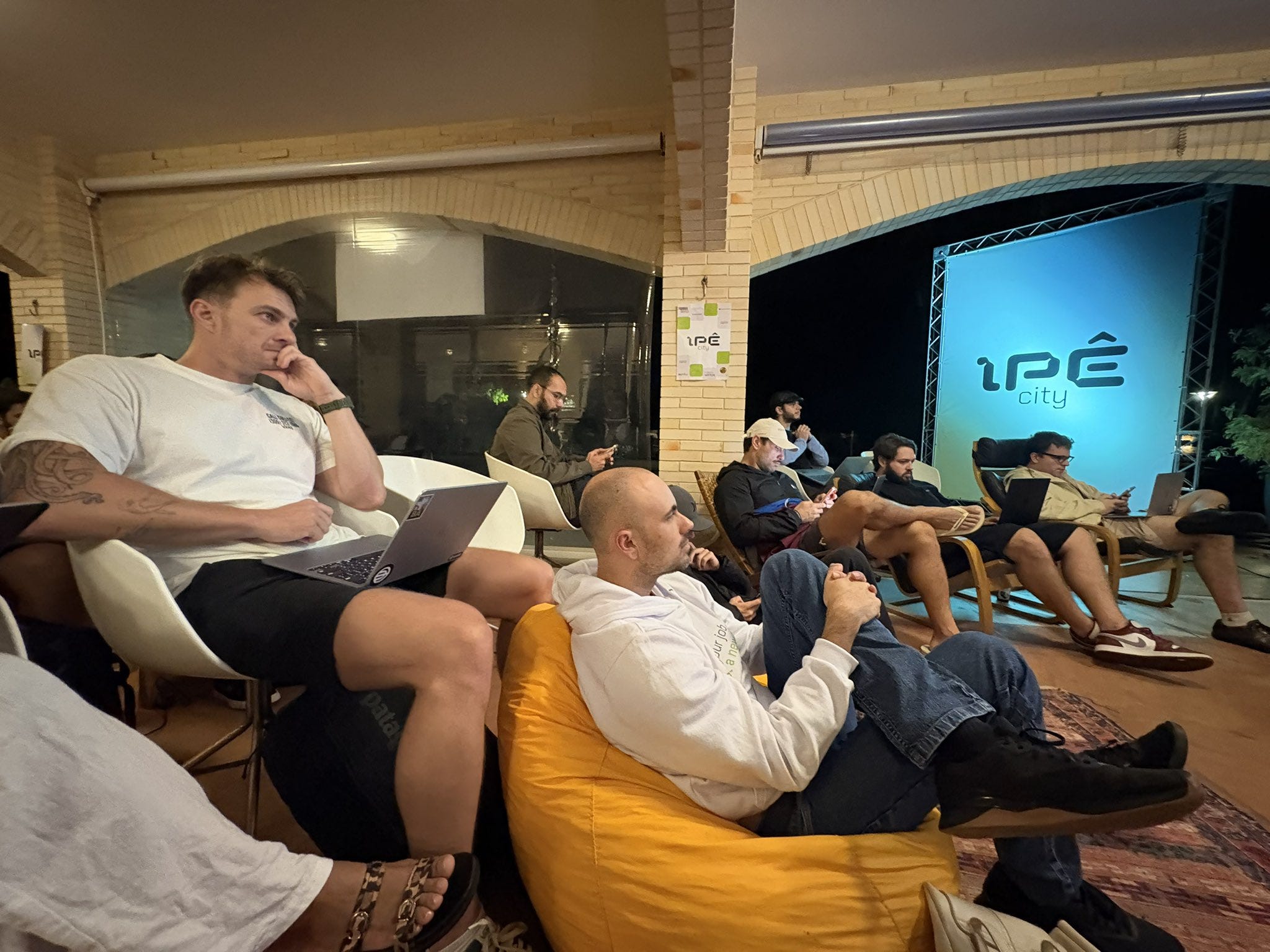
The community named after it works the same way. Ipê is a global frontier tech community with its first permanent hub in Brazil. Through the year it runs monthly workshops, meetups, and buildathons out of a hacker house in Florianópolis, training builders, testing tools, gathering energy. Then, each April, all of that stored growth bursts into Ipê Village: a month-long pop-up city in Jurerê Internacional, a beach district where hundreds of builders, researchers, and artists live together and test, on themselves, how a city native to the internet might actually function.
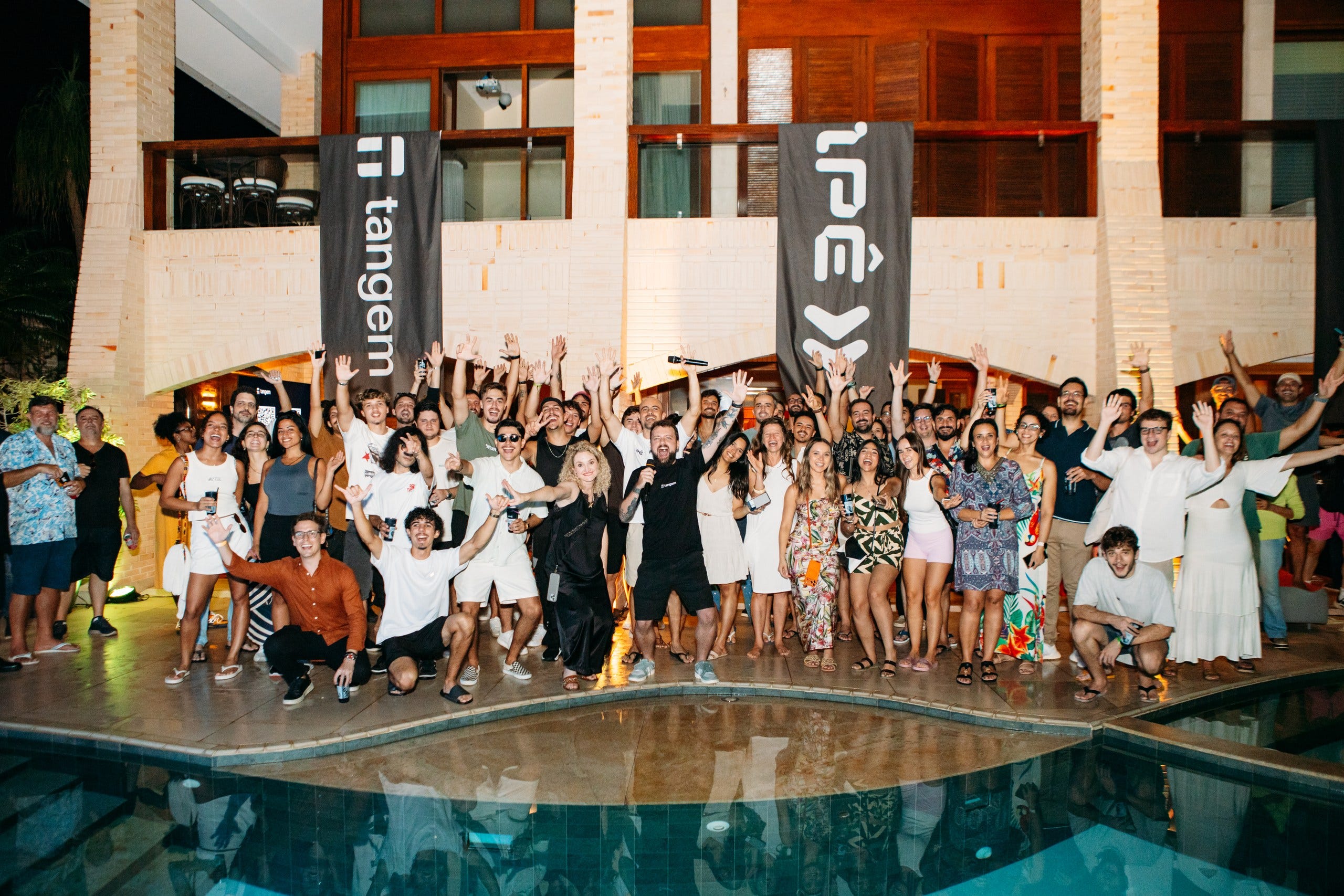
Jean Hansen, the founder, calls it Brazil’s largest social experiment. That is a bold claim for a month. The numbers behind the second edition make it harder to dismiss. 535 participants took part in Ipê Village 2026, across 35 events held in three Hacker Houses plus the Artizen-sponsored residency. More than 20 scholarships brought in builders who could not otherwise afford to come. Sponsorship revenue grew 600 percent over the first edition, and the sponsor list grew from three to eight. And when the month ended, the community did not dissolve. It went back to the hub and kept building.
Jean Hansen, in his recorded interview for this essay.
Why Brazil
Hansen came to this work through the front door of the movement. He has been in crypto since Ethereum launched in 2015. He spent two months working directly with Balaji Srinivasan in Singapore, produced The Network Society documentary series, and spoke at The Network State Conference. He could have prototyped an internet-native city almost anywhere that movement congregates. He chose home.
“That’s because I’m Brazilian, and Brazil is still an emerging country,” he says. “There are a lot of problems with governance, bureaucracy, corruption. But it also has an amazing culture, amazing entrepreneurs, a lot of natural resources.” In his telling, that mix is precisely the point: a place with real problems worth solving, enough institutional and legal stability to experiment safely, and the culture and talent to make the experiments worth watching. “The upside here is great.”
“There are a lot of problems with governance, bureaucracy, corruption. But it also has an amazing culture, amazing entrepreneurs, a lot of natural resources.”
This is what separates Ipê from the more escapist corners of the network-state conversation. The aim is not to exit Brazil but to upgrade it: to show that updating governance for the internet era can generate prosperity for the local communities that host the experiment, starting with Florianópolis and radiating outward through Latin America.
What a Month Can Build
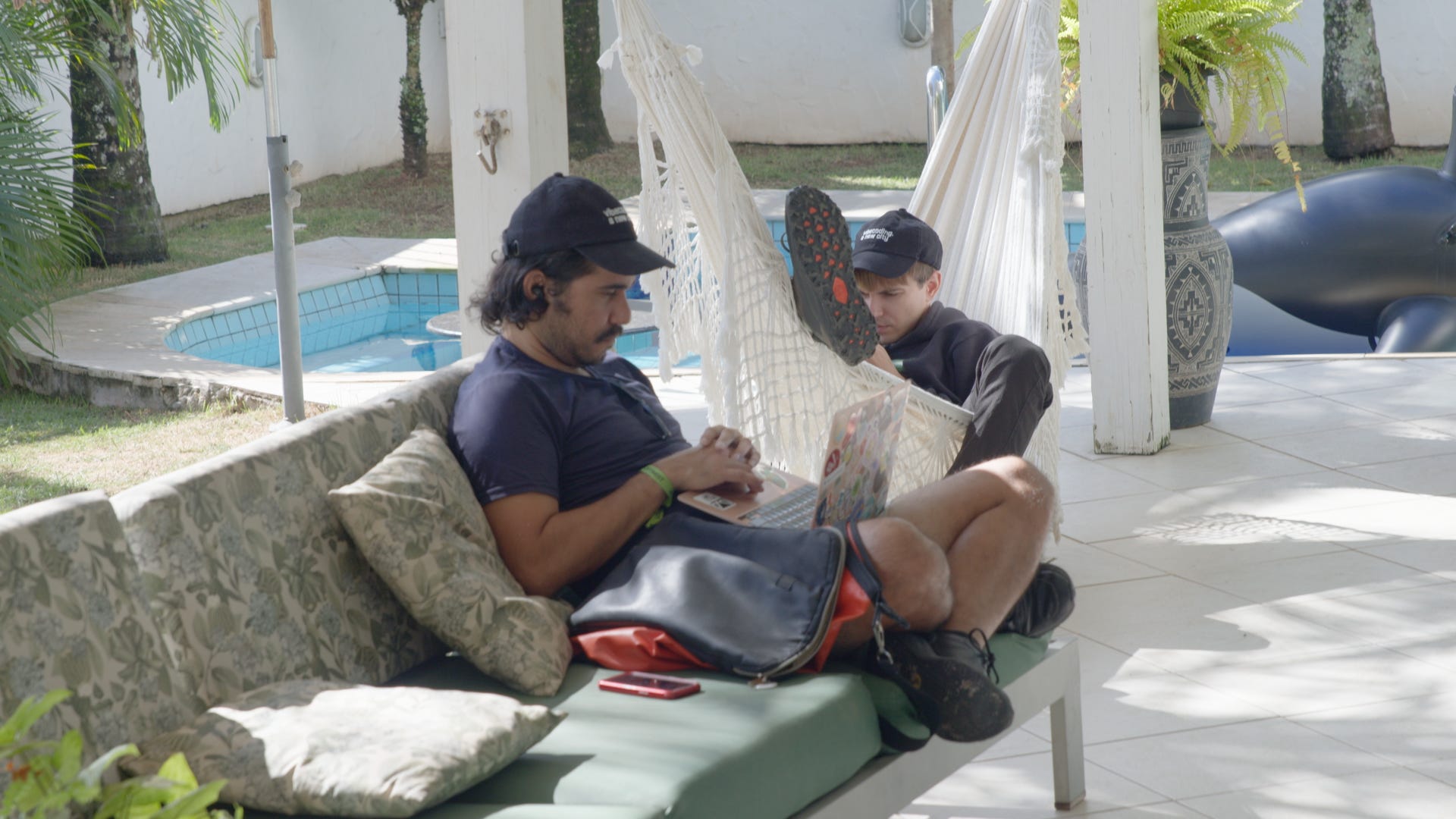
The first edition, in 2025, drew more than 170 residents from over 10 countries and seeded the village’s first set of city apps. The second edition scaled everything: the population tripled, and the programming grew into a full calendar of workshops on AI, crypto, privacy, and robotics, a startup society conference, and a month-long build-a-thon that drew roughly 60 builders.
“You can deploy, you can test, you can experiment, you can collect feedback, and then you can iterate again.”
By Demo Day, 24 builds had been catalogued for presentation. At the Town Hall that followed, exactly seven of them received grants, among them Ipê Hub, Ipê Protocol, and Ipê Mind Tree. Zoom out one level and the compounding is visible: the village’s active set of city and governance apps grew from roughly eight projects to more than 30. Most of what gets built here are coordination tools, software that uses AI and crypto to help a community govern itself, which is exactly the category that cannot be tested anywhere else. “It’s very hard to replicate in an environment that is not a pop-up city,” Hansen says, “because everyone there is aligned in frontier technology. It’s easier to get them adopting, building on top of that, and experimenting.”


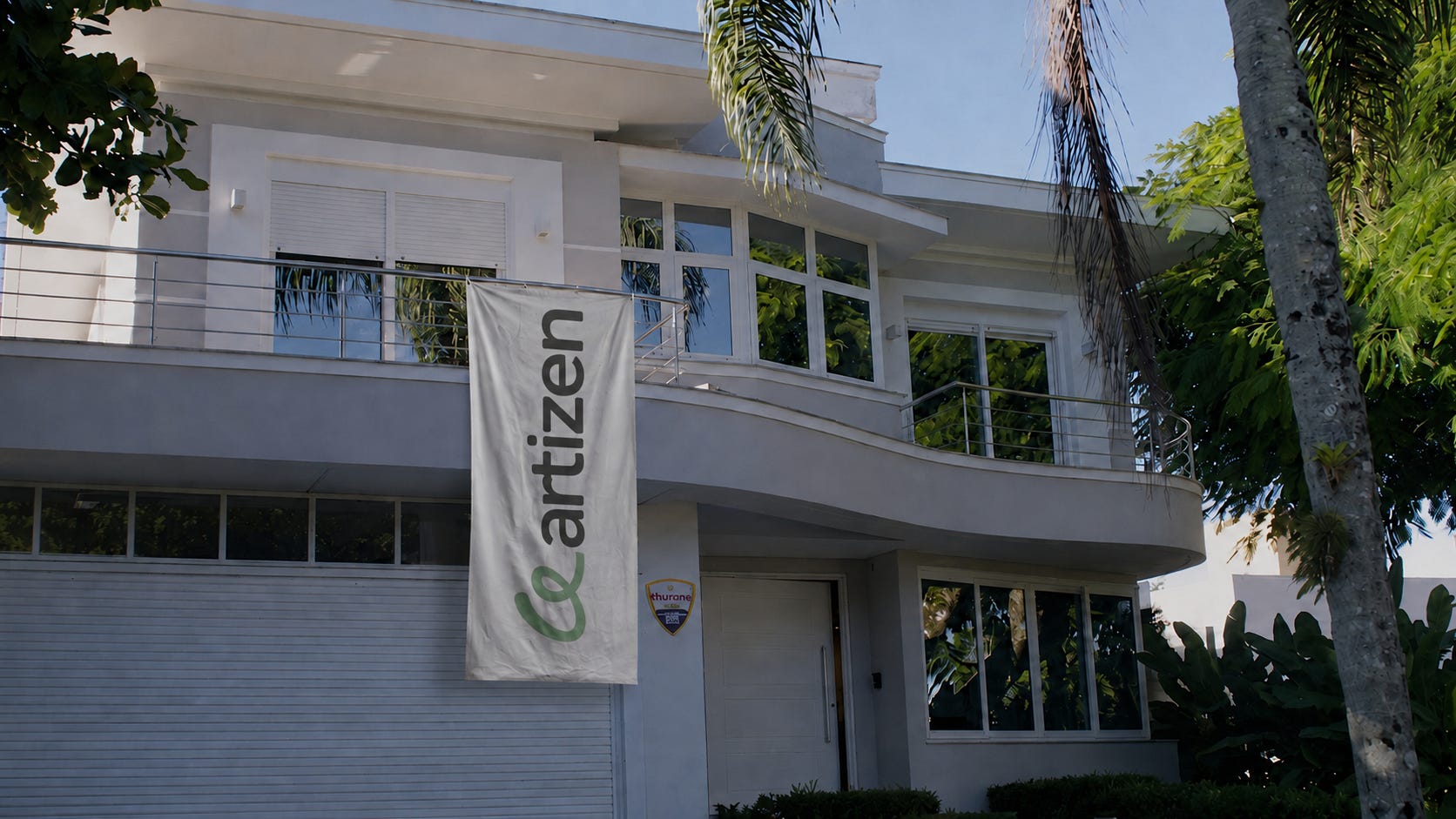
Artizen was in the room for this. A cohort from the Artizen community spent a week of the month embedded in the village as Artizen House, the Artizen-sponsored residency, and its residents presented their projects at Demo Day alongside the builders. The overlap is natural: both projects are betting that new funding and governance rails can grow culture that the old rails starve.
The Roots Between Blooms
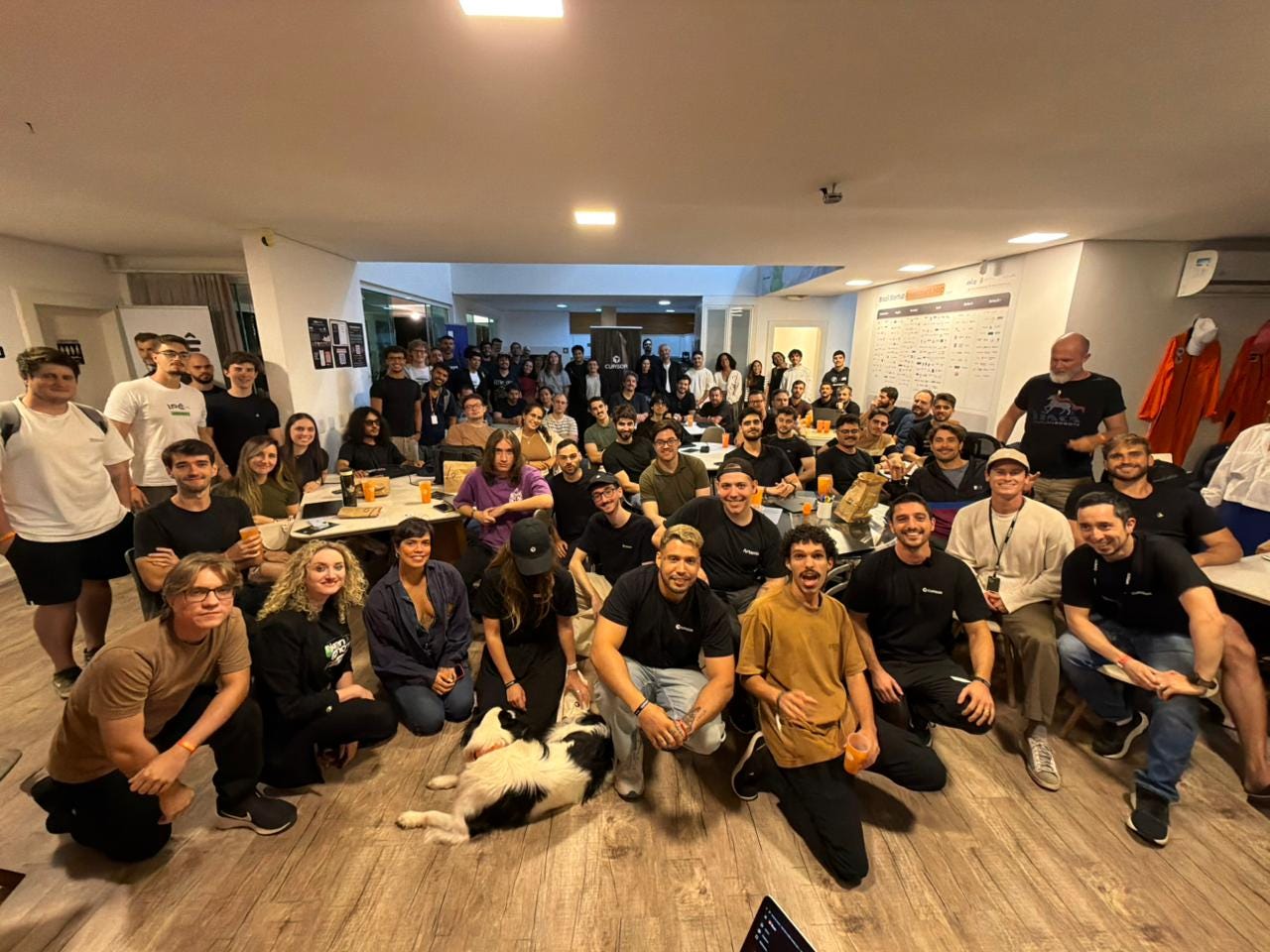
The hard question for any pop-up is what survives the teardown. Hansen’s answer is that nothing needs to survive it, because nothing stops. The village is the most visible moment of a community that never goes dormant. Between editions, Ipê hosts monthly workshops, meetups, and buildathons, training local builders and testing the next round of tools, a year of learning and gathering energy for one month of full bloom. “To prepare people for this new reality,” as Hansen puts it, “to prepare them to build in the frontier.”
“Most of our prototypes require a long time to adopt. You need the community engaging for a long period of time, at least one month.”
That rhythm now has a fixed address. The community has a permanent hub in Florianópolis, a hacker house where most of its activities happen. What began as an ephemeral pop-up has become a permanent frontier tech community with an annual festival of itself. And every edition compounds the platform underneath: the apps, the reputation systems, the operational knowledge that let each year begin where the last one ended. “Even running two editions, we already have a very solid platform, very solid infrastructure, very promising apps on top of it,” Hansen says.


The Money, Plainly
Ipê Village has raised $64,248 on Artizen against a $70,000 goal, about 92 percent. That breaks down to $22,010 in direct artifact sales, $27,948 in matching from Artizen’s curated funds, $14,250 in boost awards, and $40 in prizes. The project drew backing across the Artizen fund ecosystem, with support from curators including Juan Benet of Protocol Labs, Kevin Owocki of Gitcoin, and Lenny Rachitsky.
Those dollars have a visible shape: scholarships that brought more than 20 builders to Florianópolis who could not have paid their own way, the seven grants awarded at the Town Hall, and the operational floor under a month of free-to-attend workshops. For a project whose entire thesis is that better coordination tools produce broadly shared prosperity, the funding model is a proof of concept in miniature.
The Long Game
The startup-cities movement produces a great deal of theory. Ipê is one of the few projects producing residents, and now a permanent address. Its wager is patient and specific: that governance innovation, like the tree it is named for, needs real soil, real seasons, and a community that keeps growing between the moments anyone is watching. Two editions in, with the population tripled, the sponsors nearly tripled, and the roots in the ground year-round, the bloom is getting harder to miss.
Support Ipê Village on Artizen · ipe.city/village2026 · 2026 after movie
Amazing.