


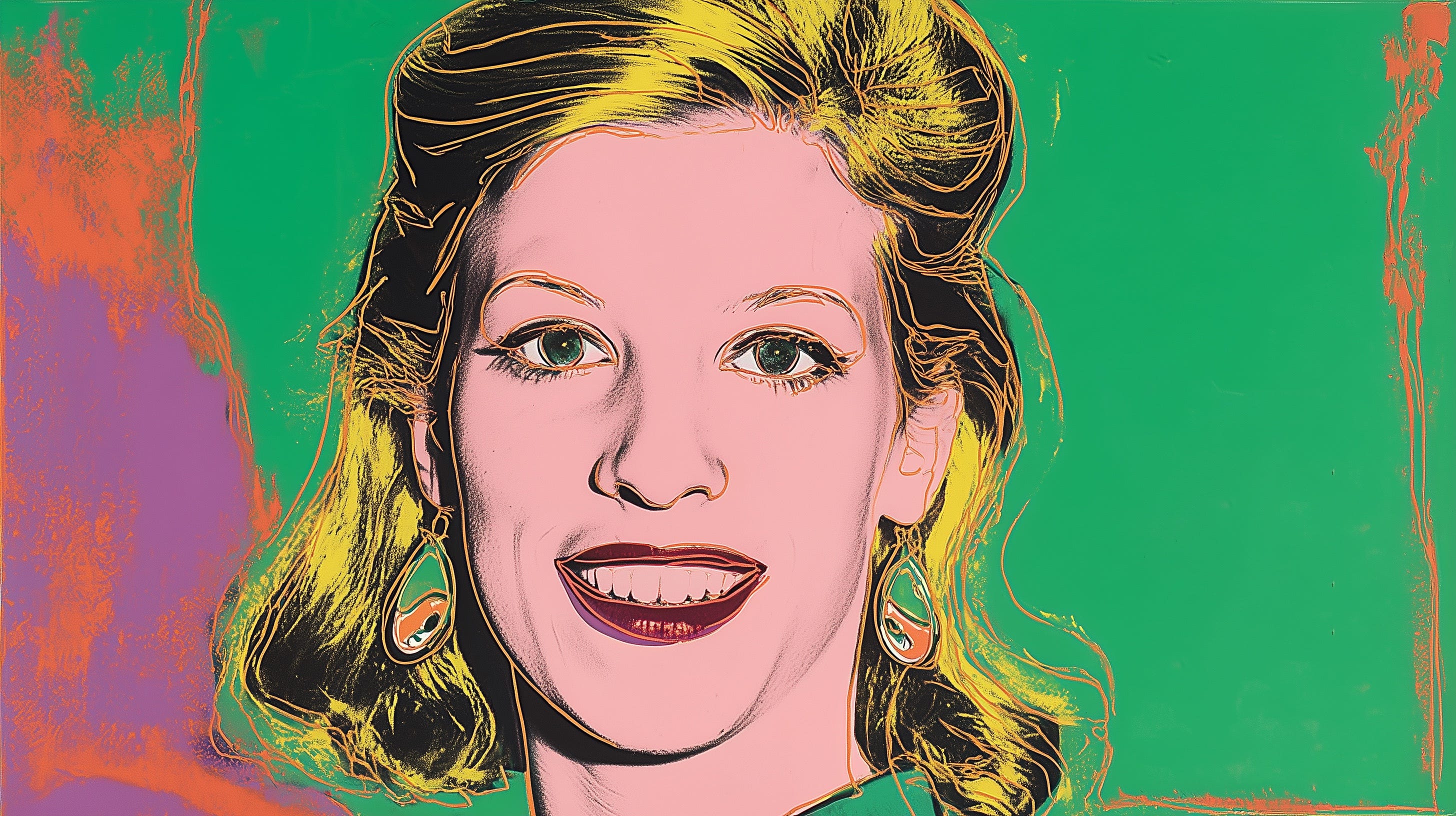
Danielle Strachman has a rare vantage point on creativity. As part of the founding team behind the Thiel Fellowship, she helped support people like Vitalik Buterin (Ethereum), Dylan Field (Figma), Laura Deming (longevity), and Chris Olah (Anthropic). Today she co-runs 1517 Fund and the Medici grant program, backing creative outsiders long before institutions recognize their brilliance.
Here are the sharpest insights from our conversation.
1. Creativity begins as irrational passion.
We look for the irrationally passionate — the ones who sit two standard deviations out on curiosity. The people who, like Vitalik, are learning Mandarin on their phone mid-conversation because they need to understand a community. It’s not hobby energy. It’s “I have to go all the way down this rabbit hole.”
This is what Danielle calls hyperfluency — a kind of creative intensity where curiosity becomes obsession. That depth — the compulsion to push further — is the fuel that separates average makers from outliers.
2. Childhood obsessions are the blueprint.
One founder told me he used to lie on his back at six, throw a wooden chair in the air, and catch it just to think. And honestly, that tracks. The intensity shows up early.
Childhood gives you the purest snapshot of a creative mind before school, fear, and conformity dull the edges. The strange games, the obsessive tinkering, an inner world that demands expression — these are early forms of pattern-making and problem-solving. If you want to understand a creator’s trajectory, look at who they were before the world told them who to be.
3. Curiosity only matters if it turns into making.
You can be incredibly curious and never create anything. The people we back have that itch — they have to put their hands on it and make something. Curiosity alone isn’t enough. It has to turn into output.
Reading, exploring, wandering — not enough. Creativity requires output. The transformation happens when curiosity hits friction and becomes real work.
4. The best creators live at intersections.
So many of our founders were artists first — painters, sculptors, pianists. When they finally show us their work, it just clicks. The creator–artist is often their first instantiation, the thing they were before the world turned them into technologists.
Painters become roboticists. Musicians drift into biotech. Sculptors become technologists. New ideas emerge when identities collide — not when people stay in a lane.
5. Creative practice strengthens perception.
When I draw, the phone disappears. I’m totally gone — lost in time, really noticing things. It’s deep focus, the kind that resets your whole system.
For Danielle, drawing isn’t a hobby. It’s a discipline of perception. It slows the mind to a pace where details come back into view — shadow, proportion, texture, meaning. That kind of attention is the root of creativity. When you train yourself to see clearly, you expand what you’re capable of imagining and making. Great creators don’t just produce; they observe.
6. Youth gives freshness. Age gives depth.
Young people bring this raw, unfiltered curiosity — but older creators bring depth. There’s a different weight when someone who’s been through a lot is still making things. The lived experience shows up in the work. It’s beautiful.
Young creators see possibilities without baggage. Older creators bring wisdom and emotional weight. Creativity doesn’t peak — it changes texture.
7. A fund can be a work of art.
1517 is my art. Human mindshare is scarce, so I’m always asking what happens if you put this person with that one and a whole new thing emerges. Making those connections feels like painting with people.
Danielle treats her fund the way an artist treats a canvas — not as an institution, but as a living medium. Creativity isn’t only in the founders she backs; it’s in how she pairs people, curates environments, and engineers serendipity. She sees relationships as raw material. And when they collide, new ideas surface.


