


OBSESSED is a living memoir of my 17-year quest to build Artizen — from idea to escape velocity and beyond. New episodes every week.
Read Previous → Episode 7: Like a Phoenix, Motherfucker
Leap of faith
Our investor Dan Hill introduces me to Simon Corry—studied under Dieter Rams, founding team at WeTransfer, now a director of design at Facebook. We hit it off, and a few months later, he quits his cushy gig to join Artizen.
Together, we build the dream team. Eric Jacobsen, a front-end dev and lovable curmudgeon. Zsofie Tubel, a Hungarian who lives for death metal, tattoos, and crypto—perfect. Eric Katerman, my old co-founder at Hurricane Party. Dov Heichemer, a PM from SoundCloud. And Juju Parchimowicz, a creative force of nature.
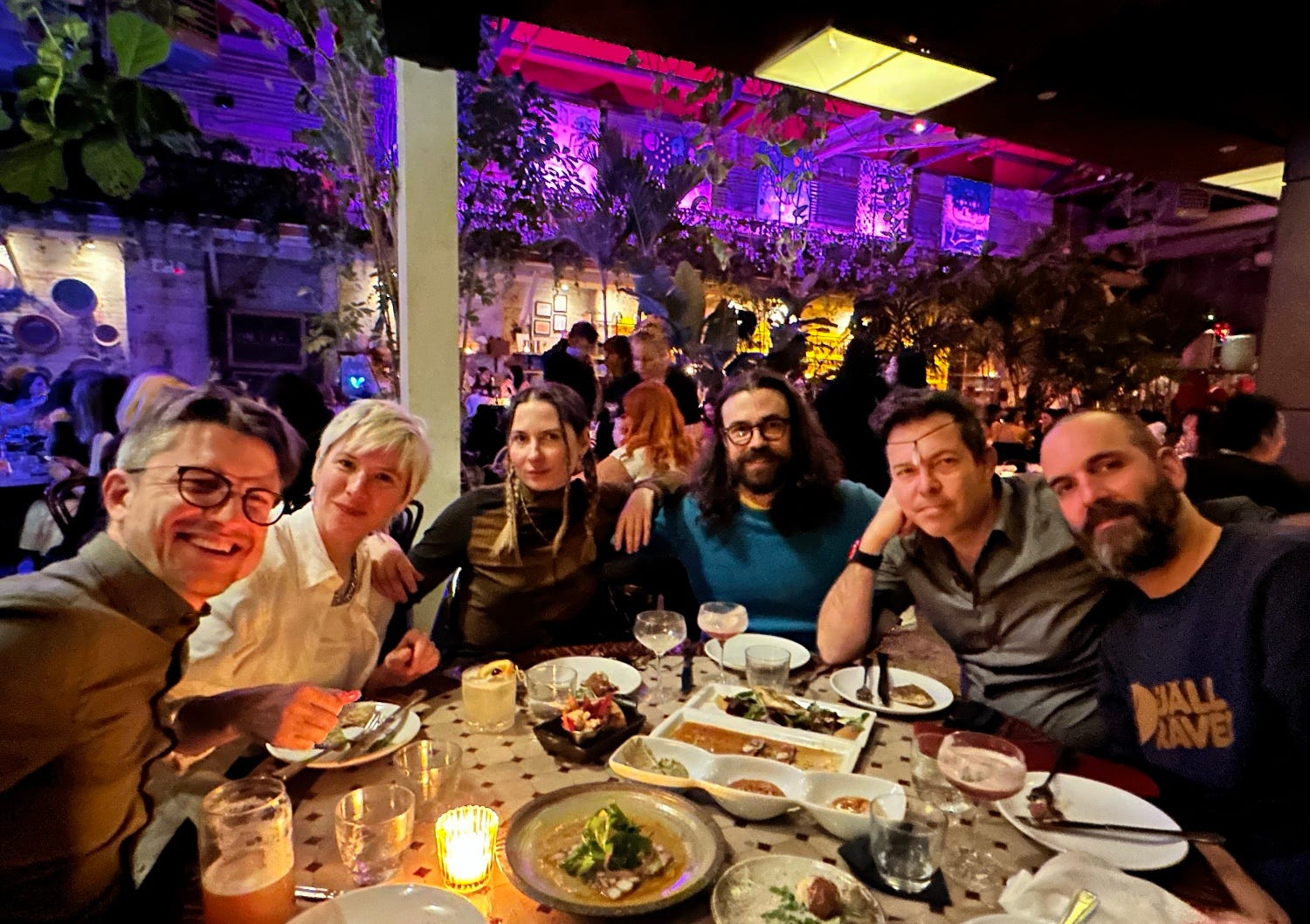
With the crew assembled, we should be flying. Instead, we’re stuck on the tarmac. Meetings drag, decisions stall, launch dates slip. I hired insanely talented people—way more talented than me—shouldn’t I give them creative freedom? But the more I step back, the more progress grinds to a halt.
Desperate for momentum, we join SeedClub—a playground for internet cool kids—run by that tall guy Jess and that shorter guy Josh. They lean into Artizen like a stalled car. We use demo day as a forcing function: ship something, anything. Inspired by Nouns, we launch daily grants. Every 24 hours we fund new creators like Eddie Lee, Vladimir Storm, Mike Tucker, and Gabriela Arp. But the time horizon is too short.
The product flops.
We call an emergency summit. Simon takes charge: thousands of sticky notes, collaborative workshops, rapid prototyping, the full IDEO playbook. At first, it’s fun. By day two, I’m miserable. By day three, I snap.
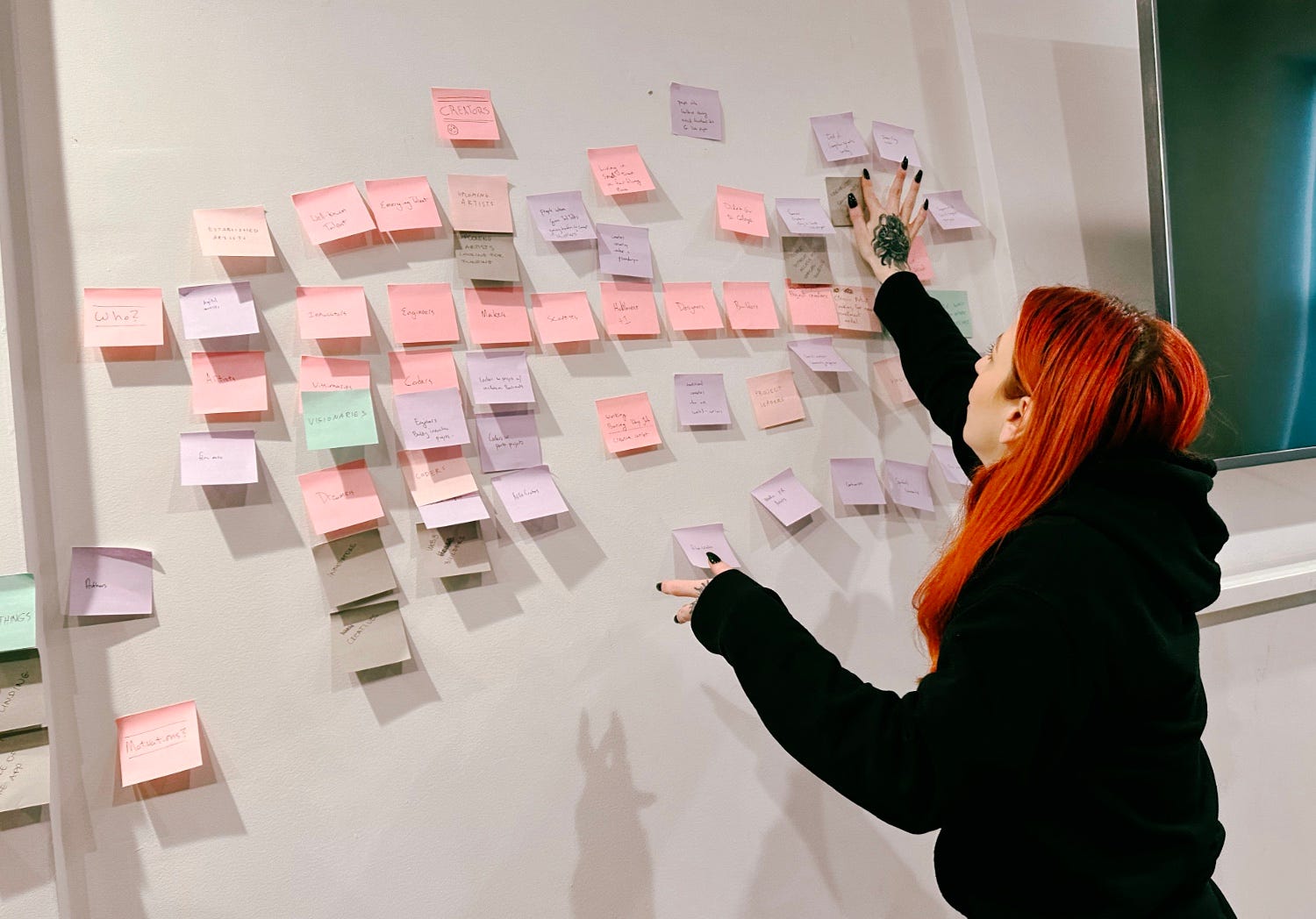
This isn’t working. There are too many voices. Inspiration speaks in whispers. All I hear is noise. We’re burning money—only six months of runway left. We need direction. In my filmmaking days, I thrived as a micromanaging control freak—a true auteur. Now, I hesitate. My gut knows what to build, but I second-guess my instincts.
And then a moment of clarity: I am an artist, not an entrepreneur. I trust intuition more than metrics. I value improvisation over process. I love collaborating. I hate managing. I want to dance—wild and free, to the music of creation. I ask myself:
Can I run my company like I make art?
No idea, but I want to find out. The first step is painful: break up the band. Making art is too intimate for me. Requires too much trust. I only go deep with one or two collaborators, or work alone.
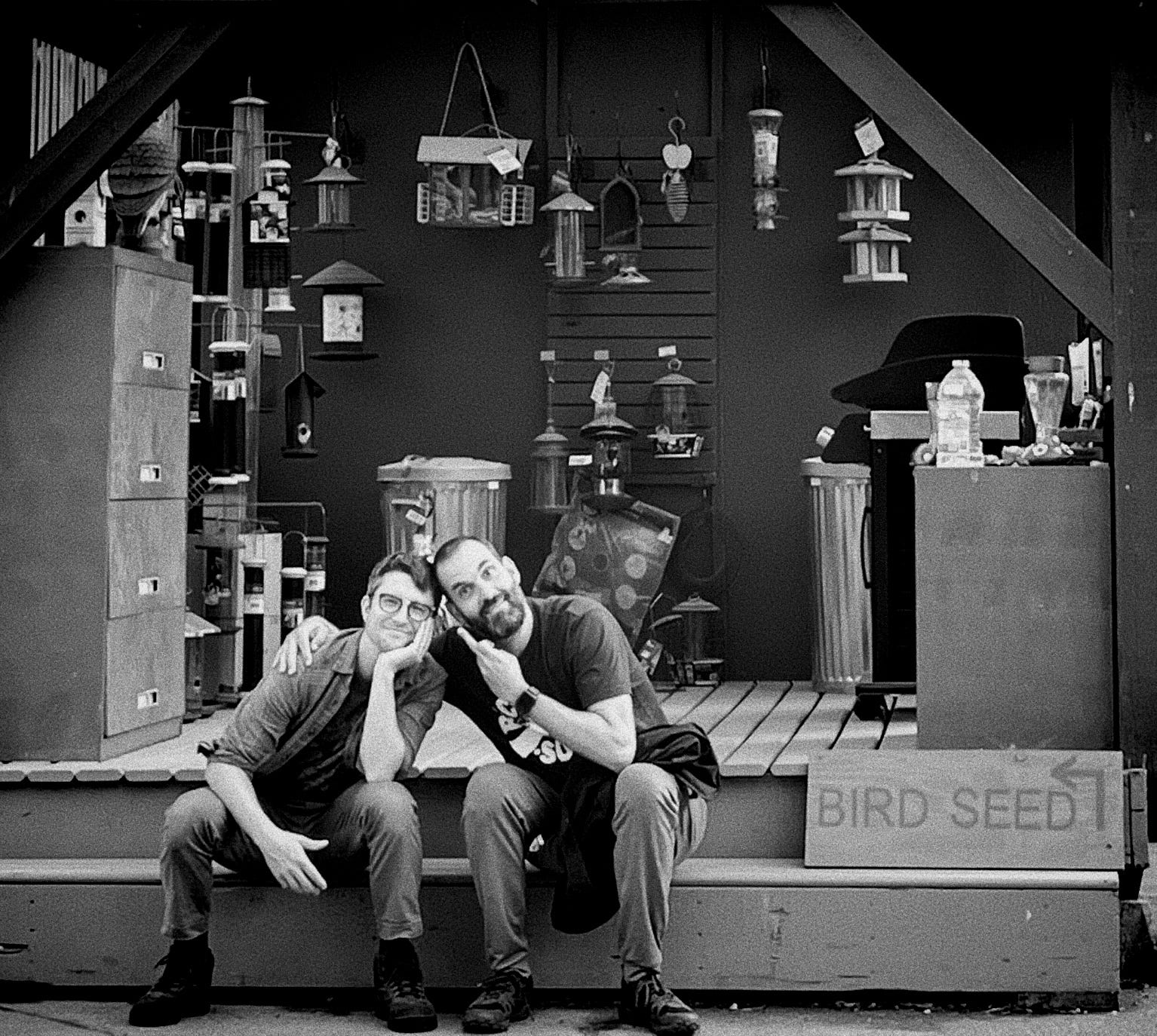
Saying goodbye to Ruben is the hardest. I’m not easy to work with—constantly change my mind, fixate, obsess. But Ruben put up with my autistic mania. For that, and so much more, I love him.
The next scene is unscripted. But as I climb back into the director’s chair, I feel at home.
Escape velocity
My ambition hasn’t changed: build a billion-dollar business that reinvents funding for creators. But pulling it off on my own? As a weird art project? That’s the trick.
About a year earlier, I met this kid Nate Van Cleve. He built a product called SproutUp—a donation tool for charities. I figured he had a team of engineers. Nope. Solo dev. Doesn’t even know how to code! He built the whole thing with Bubble. My brain explodes.
After the team falls apart, I call Nate. Could we rebuild Artizen—using Bubble as a web2 wrapper for our smart contracts? Nate is confident.
It feels insane. Deleting our codebase—again—on purpose!? But it also feels right. Bubble lets me move 10x faster at a fraction of the cost. It gives me the freedom to experiment, to play. With Nate as my Bubble shaman, the ritual begins. Summon the new Artizen!
To help conjure the magic, my friend Sven suggests Techstars—he knows the web3 director. By now, I’m addicted to accelerators: the structure, the deadlines, the intensity. At 40, it’s the best way to make new friends—people who get it, who know the struggle, who give a shit. I’m in!
Techstars delivers. Pete Townsend and Hugh McGirr dig into the business. Sean Lee drills me on sales; Audrey O’Regan lifts my spirits; Ben Jorgensen steps up with his own match fund; and Sam Williams, founder of Arweave—crypto OG with a 10,000-watt brain—jams on our tokenomics.
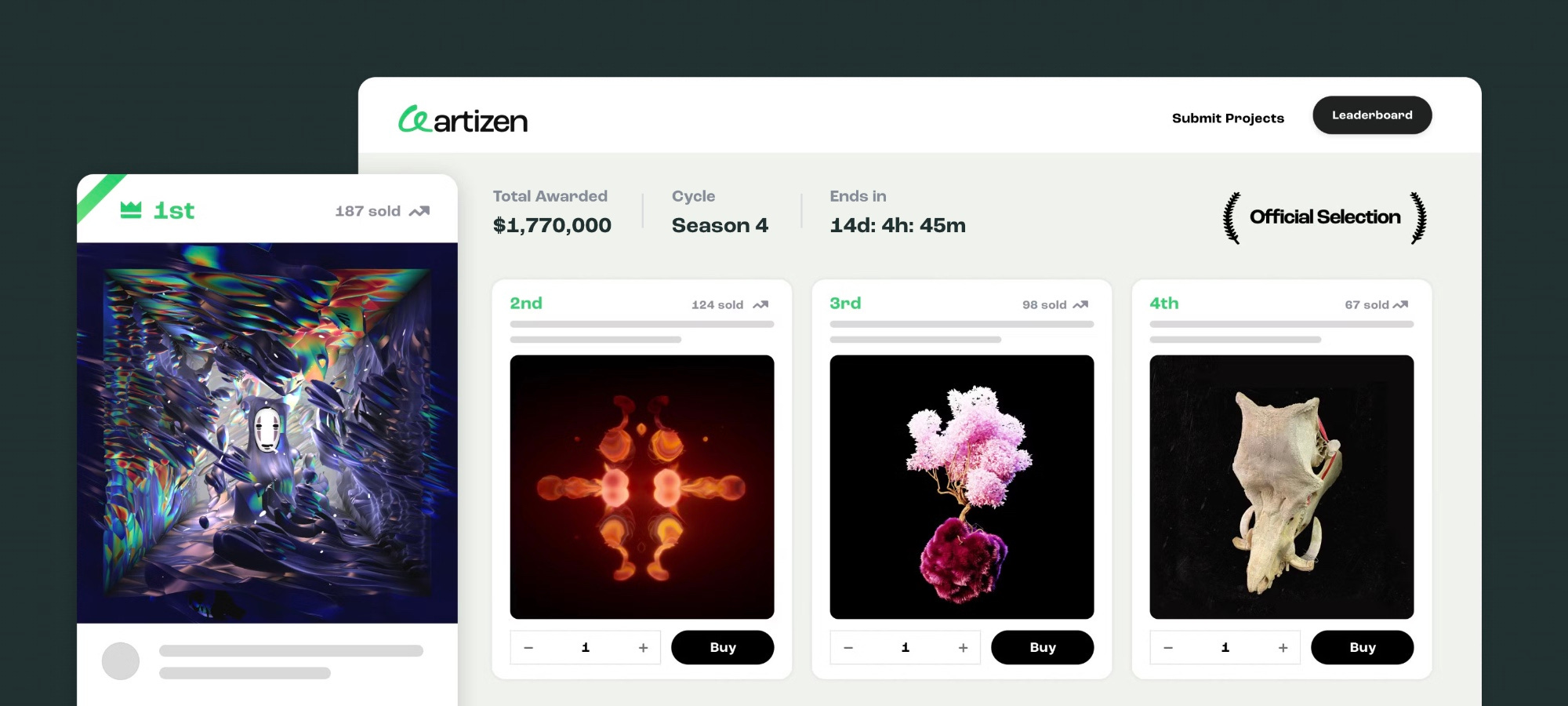
Things click. Nate and I find our rhythm, shipping product at a furious tempo. We’re inventing a new game—creators roll the dice on bold ideas, fans bet on projects they love, and brands ante up cash to grow their ecosystems. Everyone walks away a winner.
Riding high from demo day, we land sponsors like Filecoin, Juicebox, Cabin, Funding the Commons, MetaCamp, and the DeSci Foundation. Season 1 was a disaster—$50,000 raised. Season 2 showed promise at $100,000, but the product was a mess. Then, in Season 3, everything changes. Our game is finally fun to play! A hardcore group of Artizens emerge: Scott Murphy with Resonate, Omid and Anna with Tuner, Sven Hermann with Incented, Eoghan O’Keeffe with Locus, Tamara Montenegro with her Sound Temple, and dozens more. Their passion ignites the community, and creators raise over $500,000.
Now, in Season 4, Artizen is cooking. Our members cast 1.4 million votes to curate 158 remarkable projects like Echos of the Heart, City of Apparition, Futuro Nativo, synth-e-sthesia, Sexilio, The Land I Live On, Palestinian Lullabies, Flow, Social Layer, Inter-Woven, CharmVerse, Node Archives, Bone Conductive Instrument, Remembering to Forget, and Earths to Come. It’s our strongest lineup yet, and I’ve got a good feeling creators will raise over $1,000,000 by season’s end.
Artizen has left the launchpad, breaking free from the pull of gravity. Just me and Nate and a constellation of friends.
We might still explode, but the rocket is climbing, the heavens open.
Obsession wins
Obsession is a dark art. It unlocks superpowers. Beats talent and discipline. Overcomes failure and fear. Obsession wins—but it demands a high price. It’s a dance with madness, a fire that threatens to consume you.
For decades, I obsessed. Why do we fail to fund creators?
Artists, entrepreneurs, scientists, and builders—these are the people who drive progress, who fill our lives with beauty and abundance, who make the world rich. And yet, most creators are poor. Rage at this cruel irony fueled me.
Now, something greater fuels me—faith.
I believe in the power of human creativity. It’s the core of civilization—the true source of growth. I believe all problems are solvable with enough creativity.
I believe in a future that is bright and boundless.
Love,
René Pinnell
Founder of Artizen


